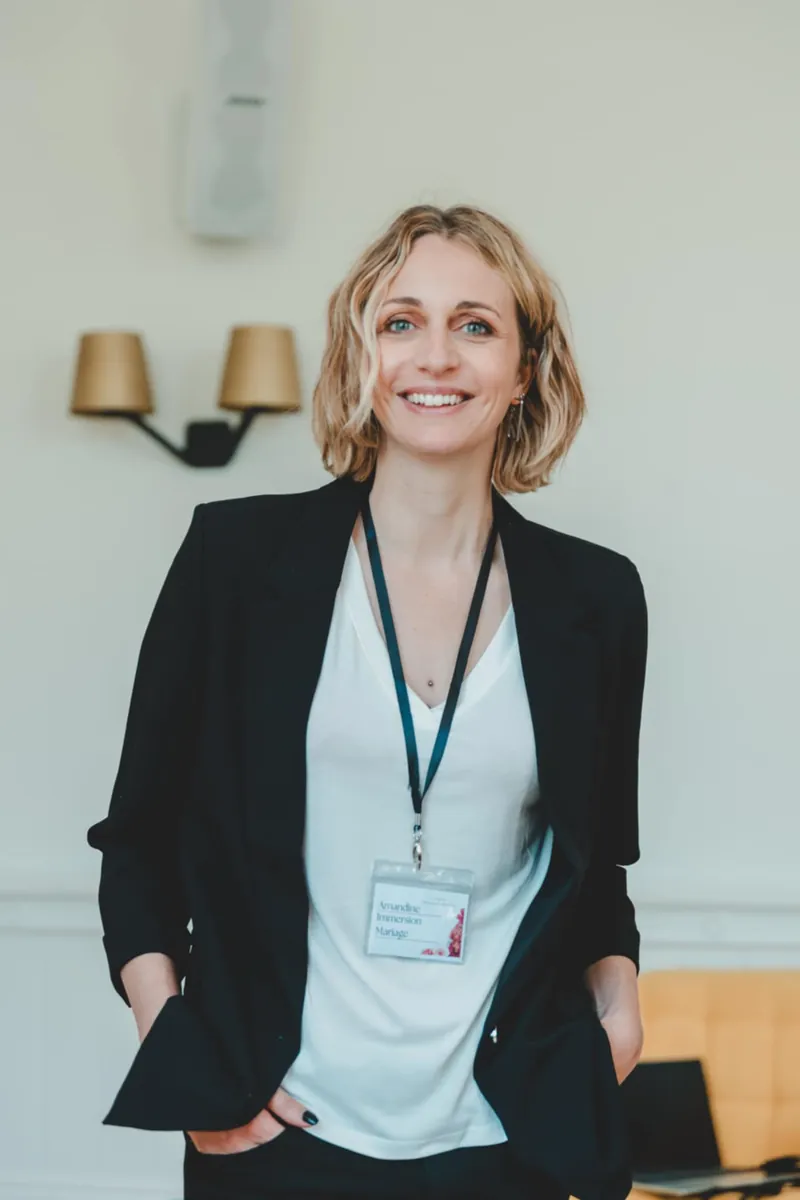
By Amandine, secular celebrant based in Alsace
There is a common — and surprising — pattern in how many weddings are put together: couples choose a venue after months of searching, commit a significant budget, fall in love at a visit. Then they place a secular ceremony there… that could have happened anywhere else.
They use the same readings. The same structure. The same pace.
It is like ordering a couture dress and wearing it with trainers because there was no time to choose shoes.
When couples invest between 30 000 € and 50 000 € in a wedding — and sometimes much more — every element should be coherent. The secular ceremony, more than any other moment, must belong to its place. Not to decorate it, but to reveal it.
As a celebrant based in Alsace, I work with couples in exceptional places — Alsatian châteaux, wine estates along the Route des Vins, or destinations abroad. Here is how I approach each setting.
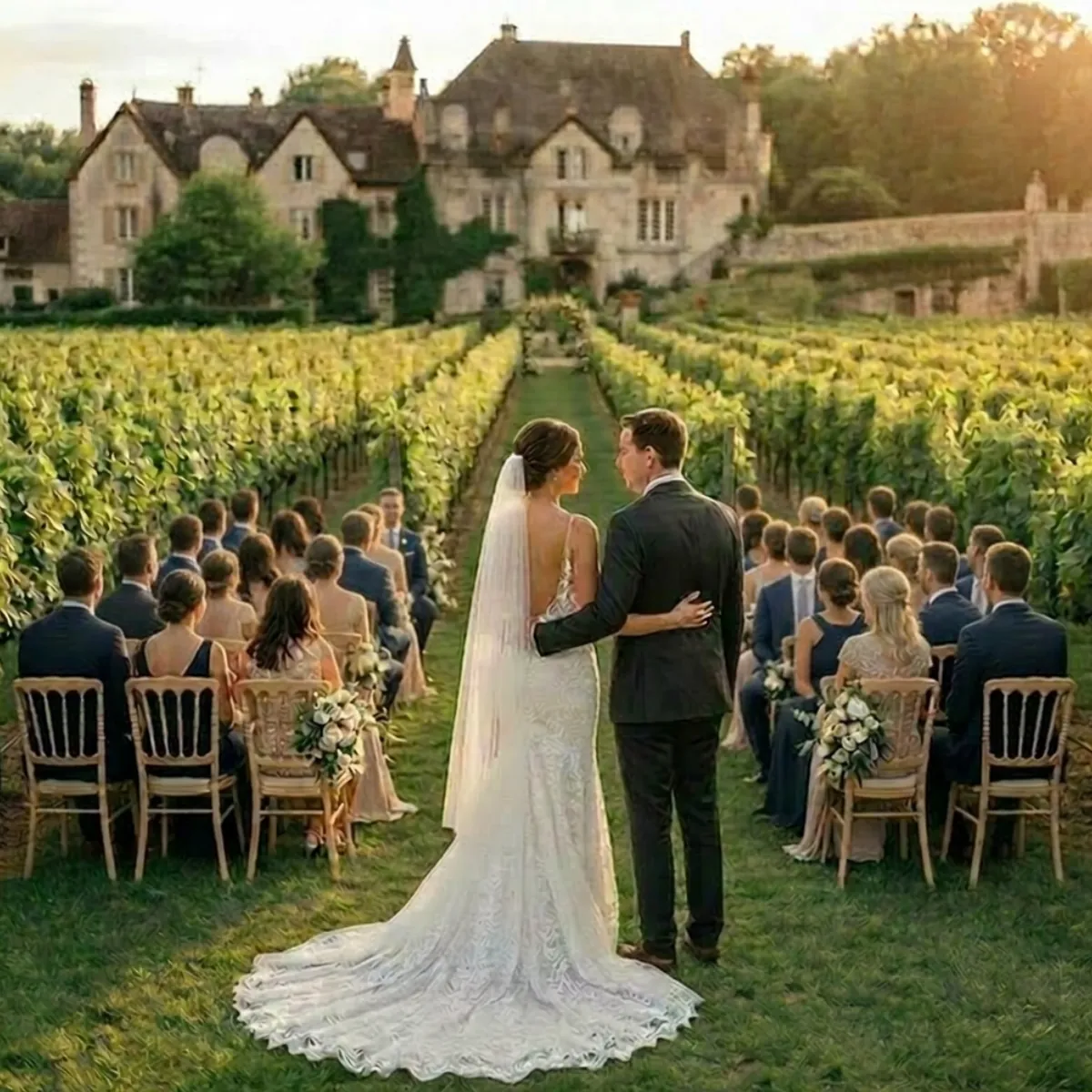
A ceremony must be tailored to its venue: music, texts and pace adapted so the place itself becomes part of the ritual.
How do I shape solemnity for a château ceremony in Alsace?
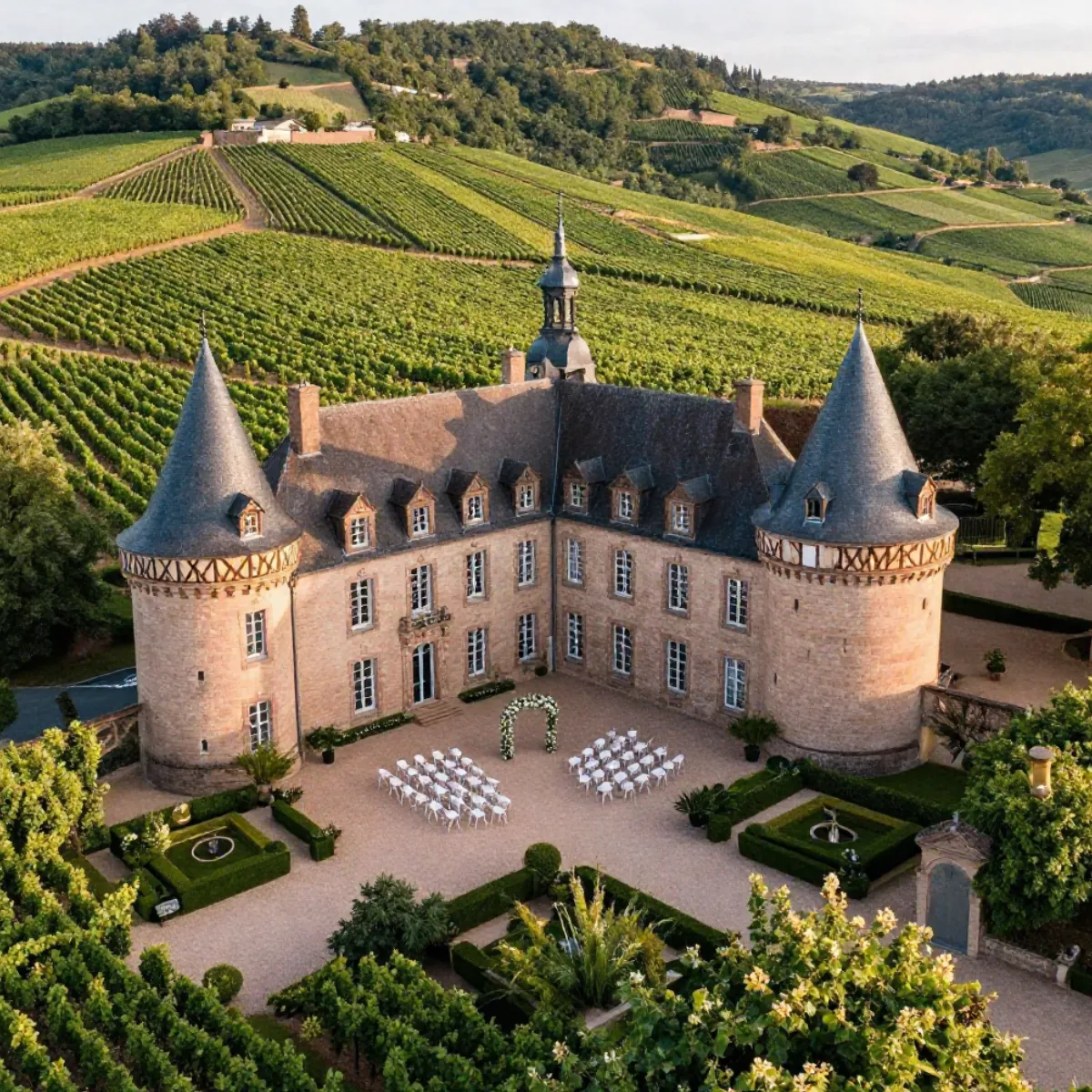
A château ceremony must be solemn without feeling cold. Many Alsatian châteaux are historical homes with long memories: Château de Thanvillé, Château d’Osthoffen, Château de Pourtalès are examples. These places are not mere backdrops. They are layers of history.
I make the ceremony accept being part of something larger for a day. That gives the ritual depth that décor alone cannot produce. For example, instead of a modern entrance on a trendy track, I propose a slow, deliberate procession where the silence of a long alley does the work.
Readings are chosen for duration and gravity, not for prettiness. Texts that speak of long-term commitment echo the stone that surrounds you.
I focus on working with the venue’s natural acoustics. Large halls and courtyards have specific reverberation. Using that silence and resonance creates an atmosphere no sound system can imitate.
One practical detail: plan rehearsal time in the main room to test voice projection and the natural echo.
Why treat a vineyard ceremony as a metaphor of terroir?
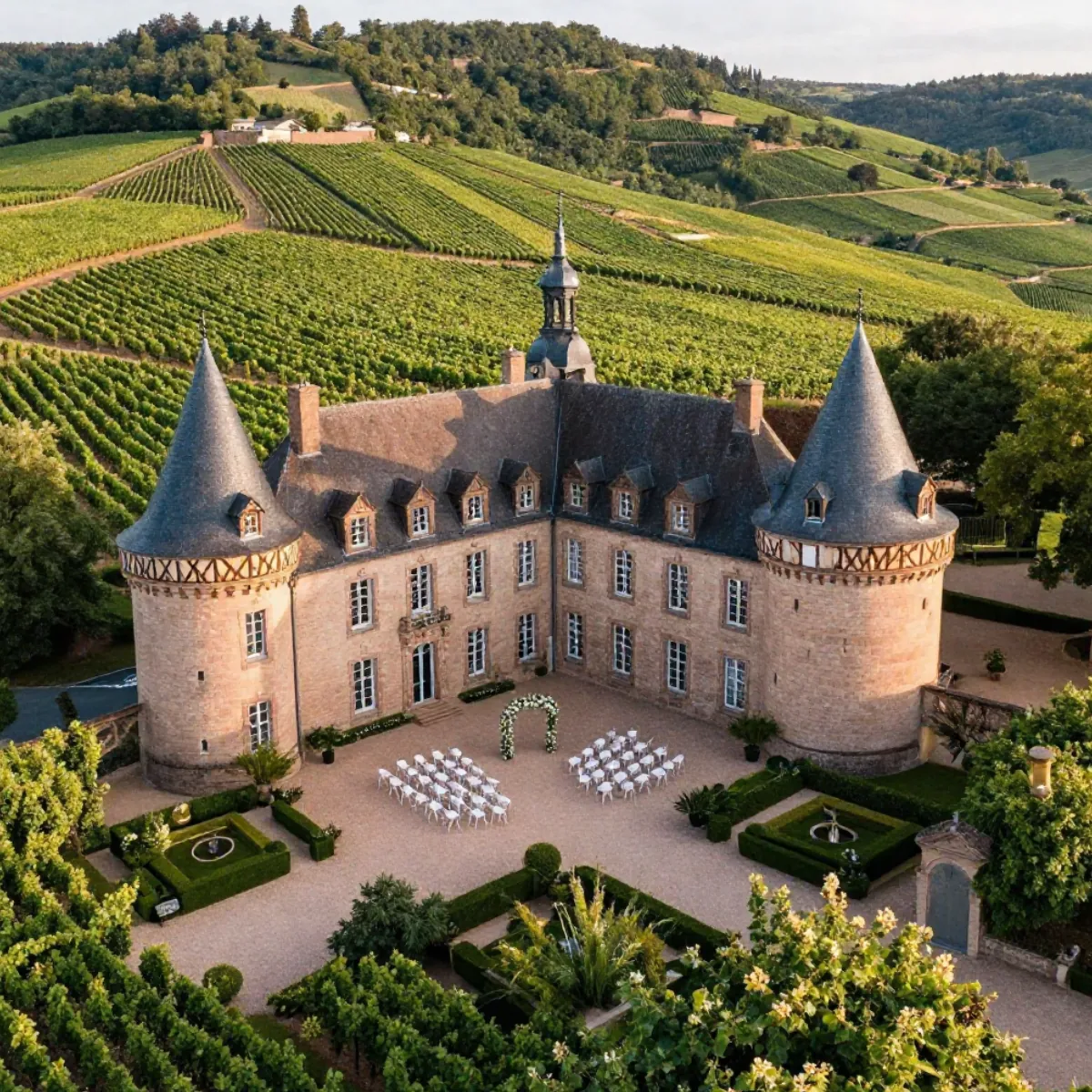
A vineyard ceremony should reflect patience and care. The Route des Vins d’Alsace includes some of Europe’s most beautiful settings: Riquewihr, Ribeauvillé, Eguisheim, Kaysersberg, Barr. Many wine estates now host high-end weddings.
A vineyard works and breathes. It changes with seasons and years. Wine and vines offer a ready metaphor for partnership: patience, tending, transformation. But the trap is postcard imagery. A ceremony that only points to rows of vines without inhabiting them misses the place.
Successful vineyard ceremonies highlight what the site embodies: the time it takes for something great to arrive, and the acceptance that not everything is controllable — weather or vintage — while choosing to commit fully.
Rituals can be sensory: a symbolic tasting of the estate’s first wine, a written text from the winemaker about the terroir read as a gift, or a vow framed as something to age like a bottle put in the cellar.
One practical detail: if season and light allow, choose a late-afternoon slot. The low light on the Vosges and the vine rows creates a golden tone characteristic of Alsace.
How should a secular ceremony be adapted when celebrated abroad?
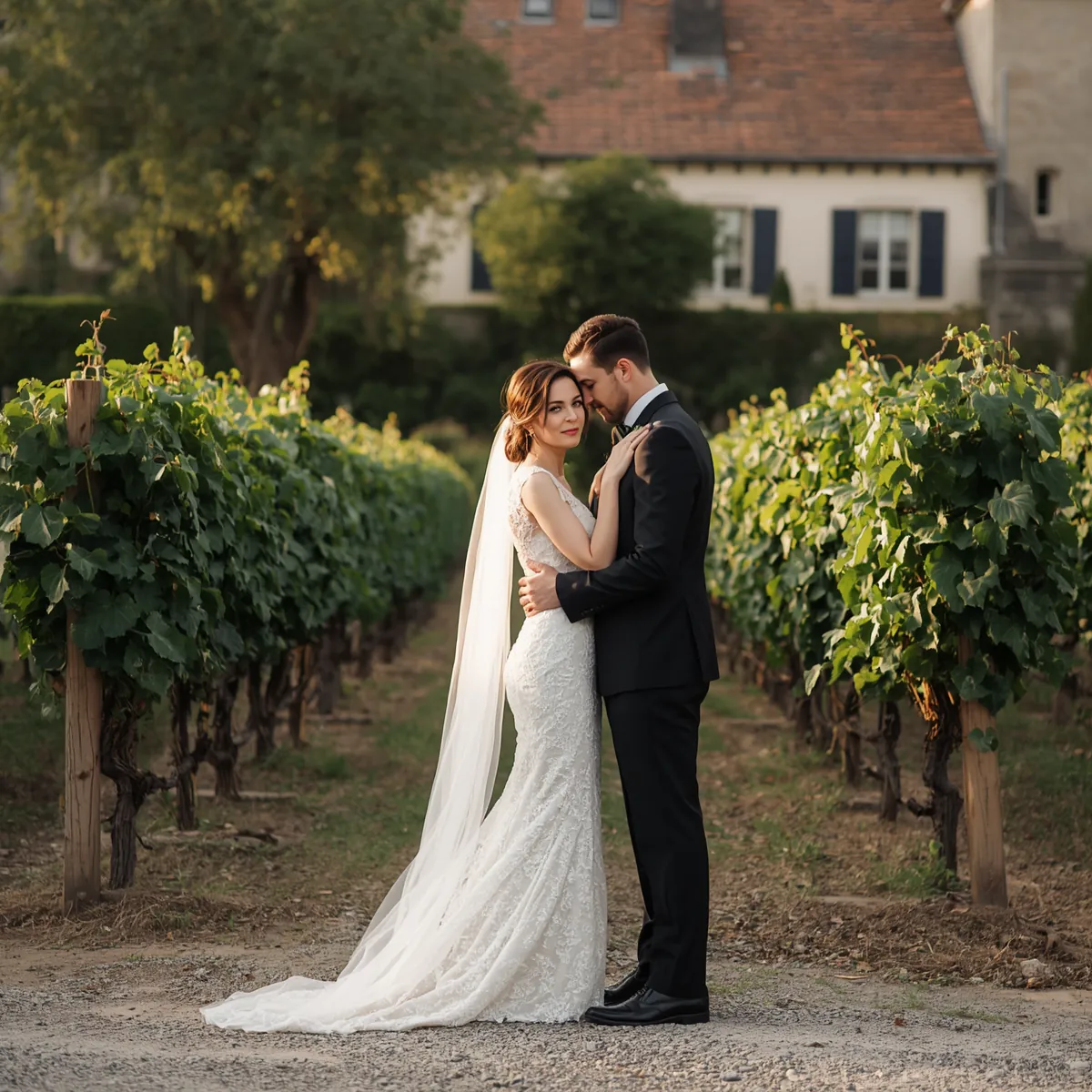
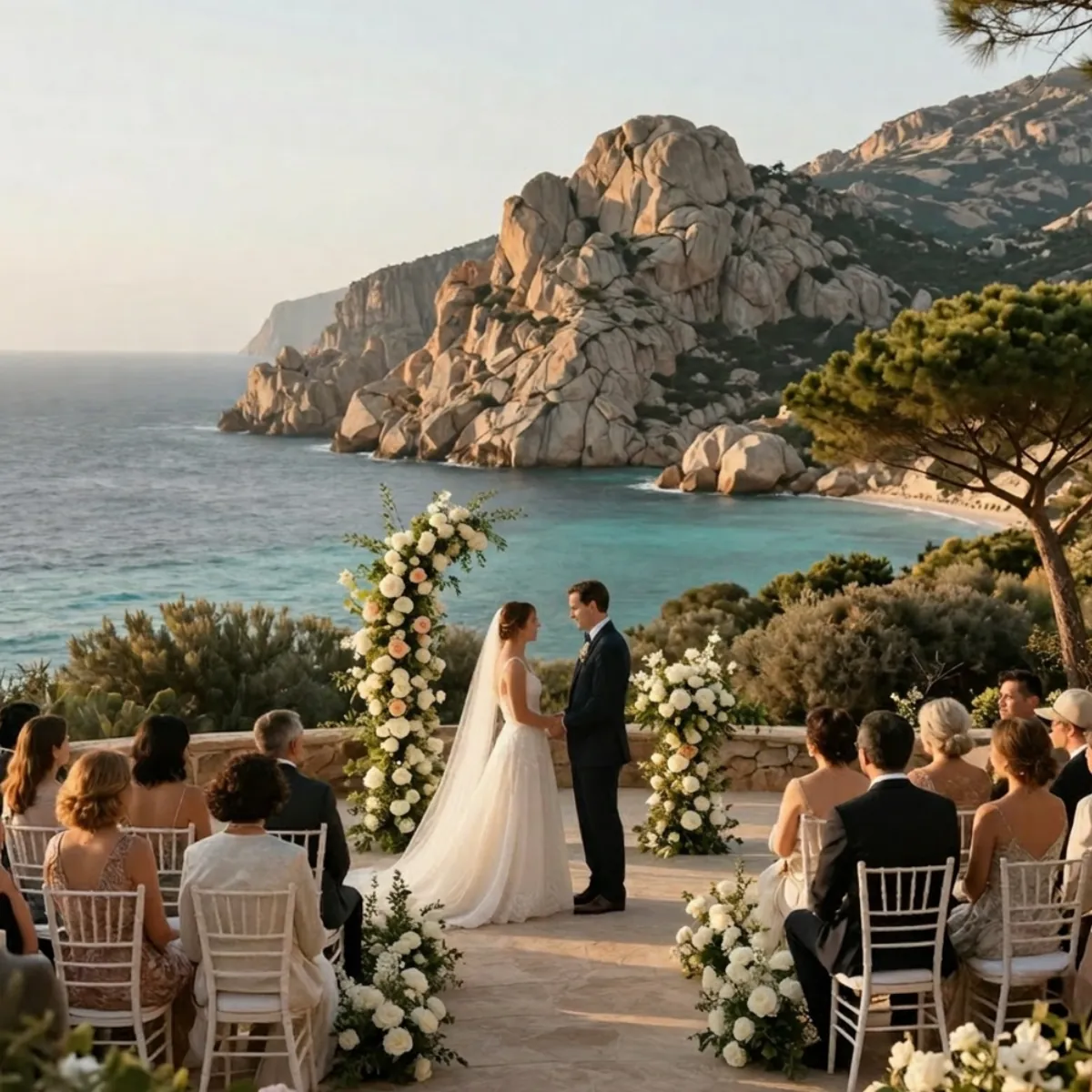
A destination ceremony must not simply transplant a generic French script into a different culture. It should use what the foreign location offers: permission to reinvent.
I often accompany Alsatian couples who marry in Tuscany, Greece, Portugal or Morocco and prefer a trusted French-speaking celebrant. The ceremony should be inspired by local traditions without mimicking them. Include a word in the host country’s language, a local ritual, or live music that anchors the moment geographically.
The idea of travel can become part of the ritual: two people meeting far from home, surrounded by guests who travelled, choosing that place to pronounce something essential. The physical move becomes a metaphor for leaving comfort together, embracing the unknown and committing despite — or because of — unpredictability.
One practical detail: when guests have travelled, they are emotionally available. The ceremony can lean on that collective openness, which rarely appears at local events.
What does adapting a ceremony to its venue require from the celebrant?
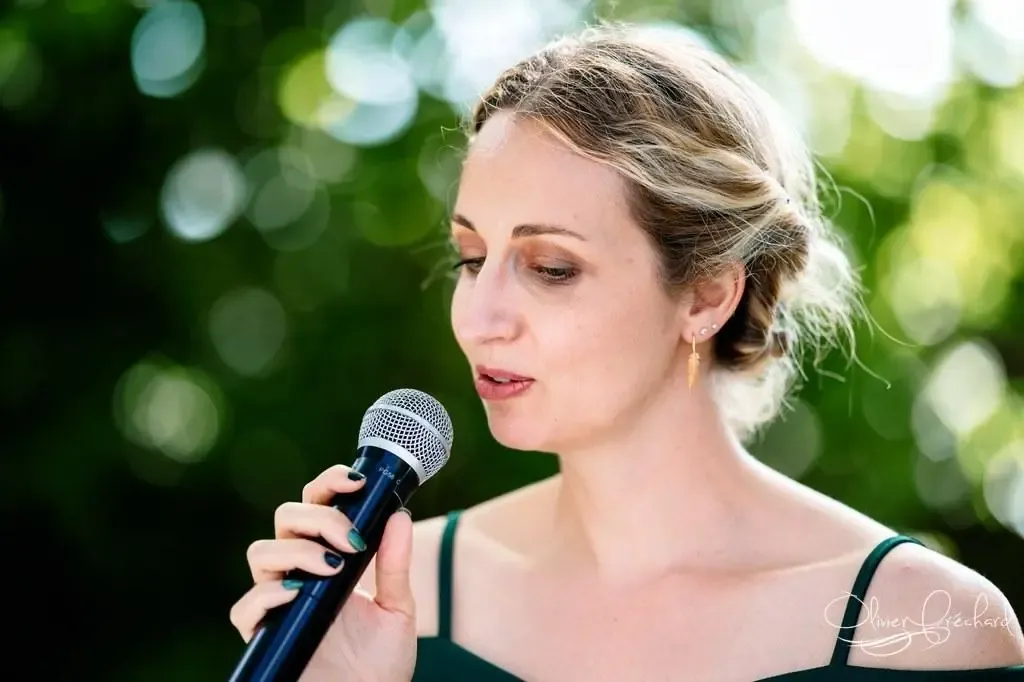
Adapting a secular ceremony to its setting cannot be improvised. As a celebrant based in Alsace who works across France and internationally, I visit each venue beforehand — not only to check logistics but to understand its soul.
I spend hours with couples before the wedding to learn why they chose the place, what it represents, and what they want guests to feel when they leave.
A bespoke ceremony in an exceptional place combines two singularities: the venue’s identity and the couple’s identity. My role is to find — and put into words — the exact point where the two meet.
Are you planning a wedding in a château, an Alsatian wine estate or abroad? I would be delighted to talk about how we could build a ceremony that matches your venue.
Conclusion: Ready to make the place part of the promise?
A ceremony that reflects its setting transforms place into meaning. If you want a ceremony that reveals the spirit of your château, vineyard or destination, I can help design it with care and clarity. Book an initial conversation
Frequently asked questions
How far in advance should we book a celebrant for a château or vineyard wedding?
Ideally book a celebrant 9 to 12 months before the wedding. Popular venues in Alsace and destination weddings often require early agreements on dates and visits. Shorter timelines can work for weekdays or off-season dates, but planning time affects rehearsal and customization.
Can a secular ceremony include local traditions when we marry abroad?
Yes. Incorporating local elements works well when done respectfully and with understanding. I suggest borrowing motifs or a few words in the local language, and collaborating with local musicians or officiants if needed, rather than attempting a full cultural imitation.
Do you charge extra for travel when the ceremony is abroad?
Travel and accommodation costs are billed separately for weddings outside Alsace. Fees depend on destination and logistics. I provide a clear travel estimate as part of the proposal so there are no surprises.
Can we combine a château’s acoustics with amplified sound?
Yes, where necessary. I always test the venue’s natural acoustics during a site visit. For very large spaces or outdoor courtyards, subtle amplification may improve audibility without overpowering the room’s ambience.
What if bad weather affects an outdoor vineyard ceremony?
Planning alternatives is essential. A rain plan may include nearby covered areas, marquees or a shifted schedule. Flexibility ensures the ceremony still fits the place emotionally, even if the weather changes.